New Zealand Packing List

New Zealand weather changes quickly, especially in the mountains, so pack layers and a good waterproof jacket. The sun is also strong in summer, which means you need sunscreen even on cool days.

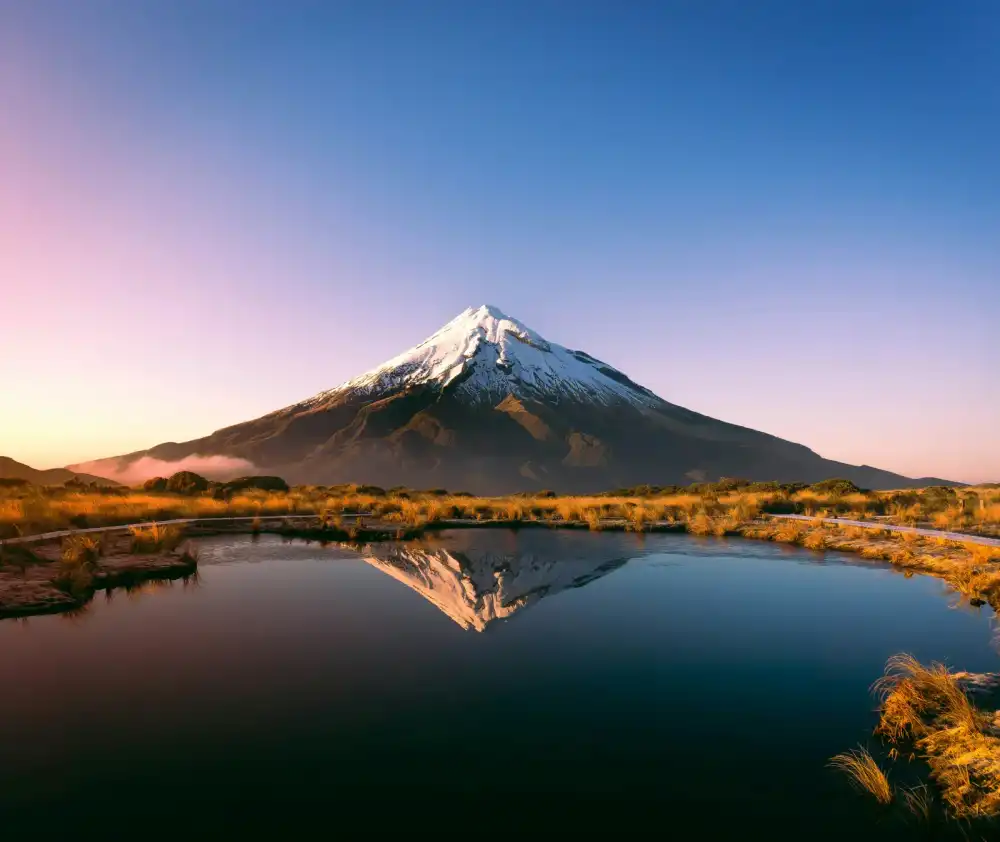
Landscape in New Zealand
0 / 29 packed
Documents & money 0 / 4
  • ?

    Check that it's valid for your whole trip. Some countries also require it to be valid for several months after you leave, so check the rules for your destination.

  • ?

    Keep the policy number and the emergency phone number on your phone and on paper, so you can find them even without signal.

  • ?

    Check that your card works abroad and what your bank charges for payments and cash withdrawals in other currencies.

Clothing 0 / 10
  • ?

    Choose one that's fully waterproof and has a hood, because a water-resistant jacket won't keep out heavy rain.

Footwear 0 / 1
Electronics 0 / 3
  • ?

    Check which plug type your destination uses. A universal adapter with USB ports works in most countries.

  • ?

    Keep it in your hand luggage, because most airlines don't allow power banks in checked luggage.

Toiletries 0 / 4
Health 0 / 3
Bags & travel gear 0 / 4

What to wear in New Zealand

New Zealand weather can change several times in one day, so sun, wind, rain and a cold change can all happen on the same walk. That’s why layers you can add and remove work best, such as a T-shirt, a fleece and a waterproof jacket. The light jacket is useful for evenings in town, so you don’t have to wear your waterproof to dinner.

Merino clothing is sold widely in New Zealand. So if you don’t own a warm base layer yet, you can also buy one when you arrive. The merino base layer guide explains what to look for.

What’s the weather like on the South Island?

The Southern Alps divide the South Island, which means the west and east have very different weather.

West Coast and Fiordland

  • Wet, with weather coming in off the Tasman Sea
  • Milford Sound is one of the wettest places in the country
  • Bring a waterproof jacket and strong insect repellent

Canterbury and Central Otago

  • Drier and sunnier
  • Hot in summer and frosty in winter
  • Bring sunscreen and sunglasses in summer, and warm layers in winter

The seasons are opposite to the northern hemisphere, with summer from December to February and winter from June to August. Even in summer you need the fleece and the waterproof on alpine walks.

Sandflies, umbrellas and the sun

  • Insect repellent: sandflies are common on the West Coast and in Fiordland, and their bites itch for days, so put it on before you get out of the car.
  • Umbrella: fine in Auckland, but in Wellington and on the trails the wind makes it useless, so rely on your jacket there.
  • Sunscreen: UV levels are high in summer, so you can burn quickly, especially on a boat or a glacier walk.

What not to pack for New Zealand

  • Smart clothes: New Zealand is casual, so a clean pair of trousers works almost anywhere.
  • Skis or a snowboard: you can hire them at the ski areas, so it’s only worth bringing your own if skiing is the main reason for your trip. The ski trip list covers the clothes you need on the slopes.

Questions about packing for New Zealand

Do I need to clean my hiking boots before going to New Zealand?

Yes, you should clean your hiking boots and other outdoor gear before you travel, because biosecurity checks at the border look for soil and seeds. You also have to declare used outdoor gear when you arrive.

Is the sun really stronger in New Zealand?

Yes, UV levels in New Zealand are high in summer, so you can burn on a cool, breezy day without noticing. Wear sunscreen and sunglasses whenever you're outside for long, especially on the water or in the mountains.

When is ski season in New Zealand?

The ski season runs roughly from June to October, depending on the snow. Most ski areas are in the South Island around Queenstown and Wānaka, and there are two on Mount Ruapehu in the North Island.