Japan Winter Packing List

Winter in Tokyo, Kyoto and Osaka is cold, dry and mostly sunny, while Hokkaido and the mountains get heavy snow. So pack for the coldest place on your route.

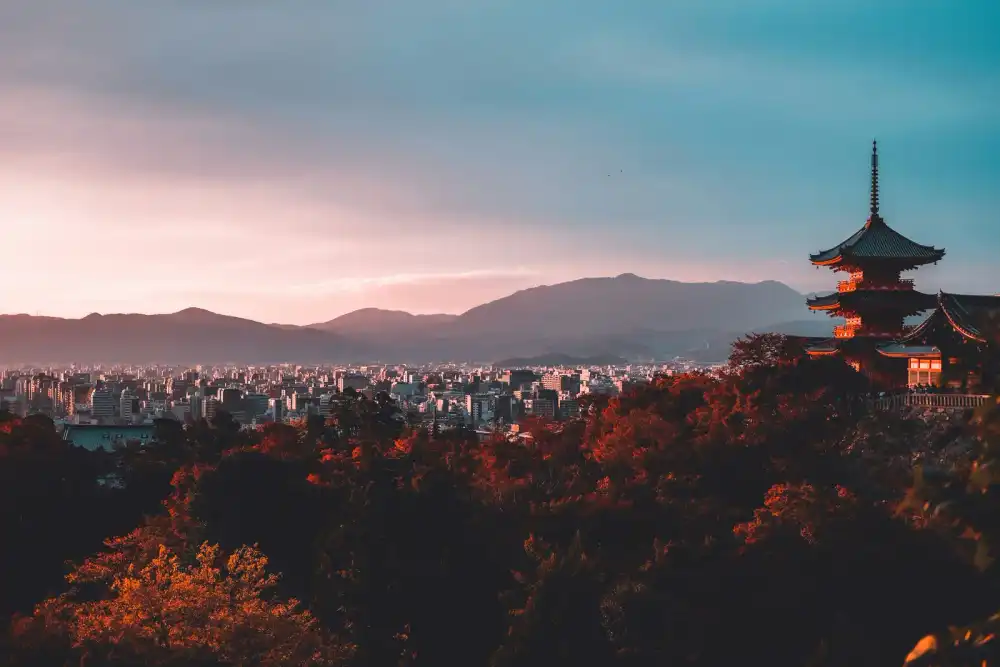
Landscape in Japan
0 / 32 packed
Documents & money 0 / 5
  • ?

    Check that it's valid for your whole trip. Some countries also require it to be valid for several months after you leave, so check the rules for your destination.

  • ?

    Keep the policy number and the emergency phone number on your phone and on paper, so you can find them even without signal.

  • ?

    Check that your card works abroad and what your bank charges for payments and cash withdrawals in other currencies.

Clothing 0 / 12
  • ?

    Wear it under your waterproof jacket on cold days. Down is warmer for its weight, while synthetic insulation stays warmer when it gets wet.

  • ?

    Merino wool or a synthetic fabric stays warm when it gets damp, which cotton does not.

Footwear 0 / 1
Electronics 0 / 3
  • ?

    Check which plug type your destination uses. A universal adapter with USB ports works in most countries.

  • ?

    Keep it in your hand luggage, because most airlines don't allow power banks in checked luggage.

Toiletries 0 / 4
Health 0 / 3
Bags & travel gear 0 / 4

How cold is Japan in winter?

In January and February, Tokyo, Kyoto and Osaka are usually around 5 to 10°C during the day and close to freezing at night. Kyoto often feels colder than that, because temple halls are unheated and you stand on wooden floors in your socks. That’s why wool socks are on this list. The Pacific side also gets very little rain in winter, so you can leave the umbrella at home.

Layers for heated trains and shops

Trains, shops and hotels are heated, often quite warmly. So a thin base layer under a jacket you can open works better than a thick jumper you have to keep on all day. You can also buy disposable heat packs (kairo) in convenience stores and keep them in your pockets.

Snow in Hokkaido and the mountains

Hokkaido, Tohoku and the Japan Sea coast get heavy snow, and in Sapporo daytime temperatures often stay below freezing in January. Pavements get icy, so bring shoes with good grip, and consider microspikes or the slip-on cleats sold locally.

If you’re skiing in Hokkaido or Nagano, you need proper ski gear on top of this list, because the lifts can get very cold. The ski trip packing list covers what to bring.